


A hard decision
Talk through the options, name what matters most, and choose a practical way forward.

Life Coaching and Mental Health Coaching with Harold and Roxanne Gates
Some days, you know something needs to change but you cannot see the next step. We help you slow down, sort out what matters, and choose a plan you can actually use.
How coaching can help
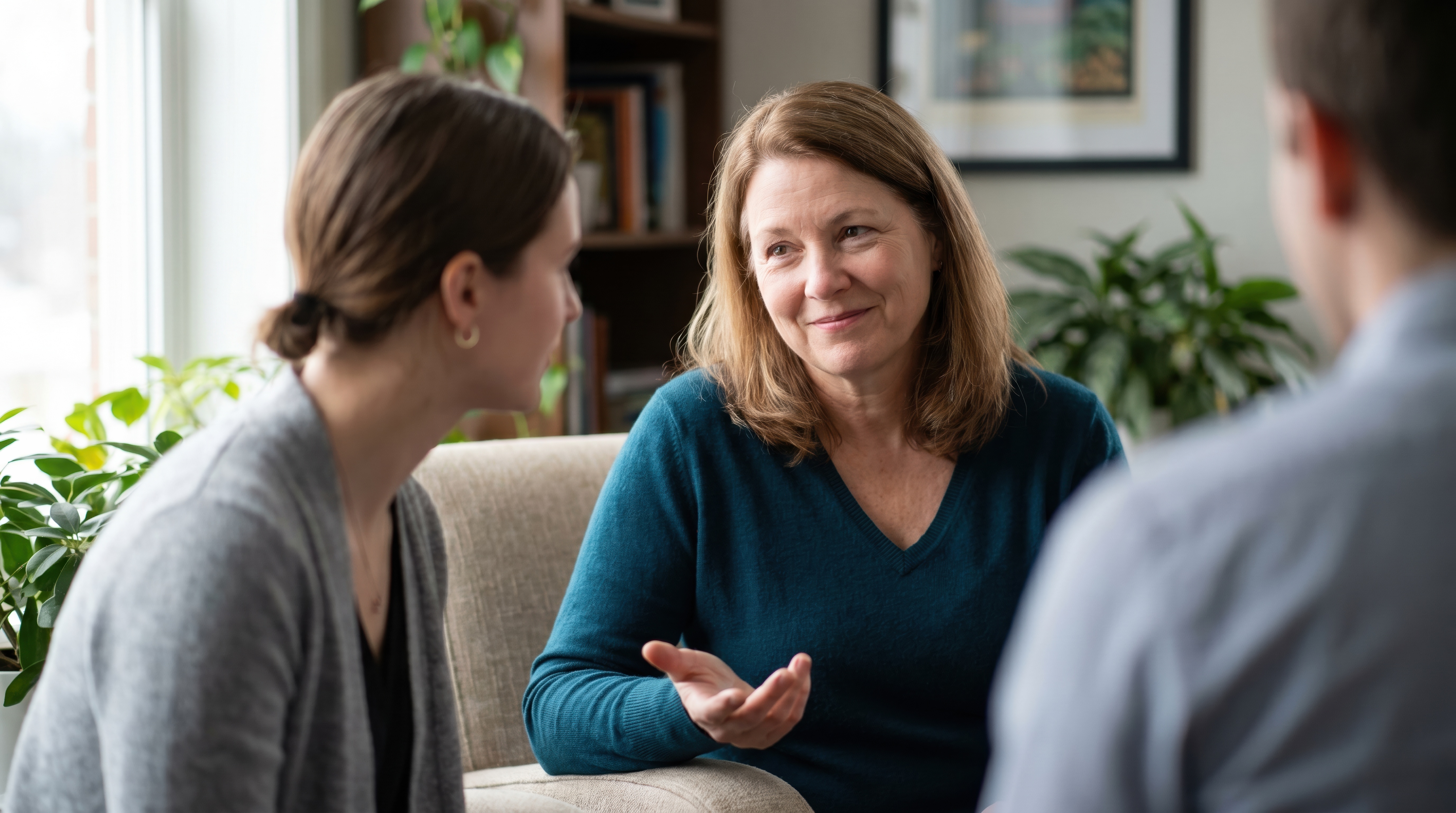
Coaching gives you time to think out loud, look at the problem from another angle, and decide what makes sense for your life right now.
Talk through the options, name what matters most, and choose a practical way forward.
Find your footing after a new role, a move, a loss, or a change in a relationship.
Break the goal into smaller steps and build follow-through that fits your real schedule.
Slow things down, notice the pattern, and choose one manageable change at a time.
A straightforward approach
You do not need a perfect plan. Start with the part you can explain today.
Harold and Roxanne listen first. Then they ask clear questions and help you turn the conversation into a next step that feels useful and realistic.
Meet the coaches
You can request Harold or Roxanne when you book. Not sure who to choose? Tell us what you want help with. We will point you in the right direction.
Life Coach
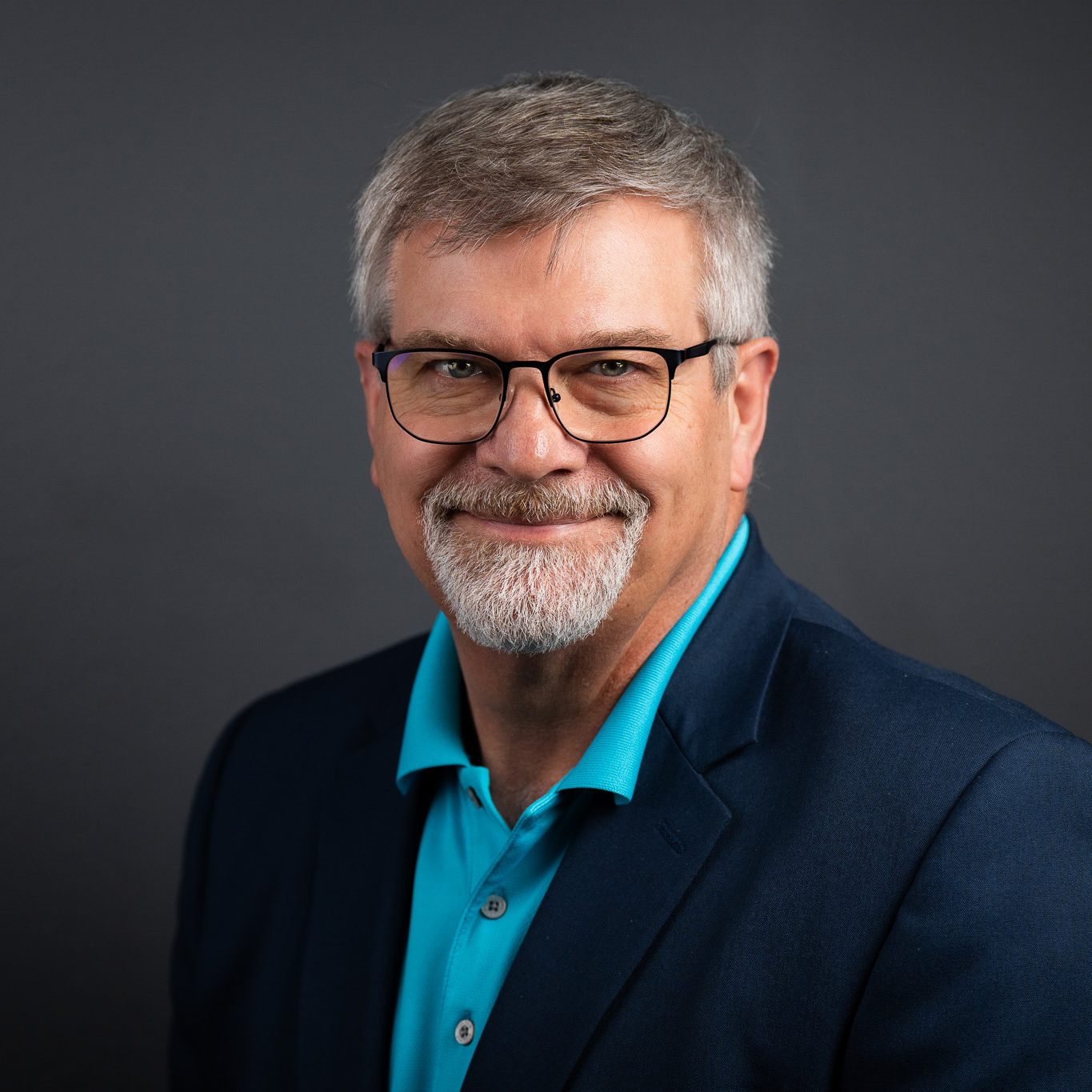
Harold helps people who feel stuck, pulled in several directions, or unsure what to do next.
His style is practical and direct. He asks clear questions, helps you sort out the problem, and keeps the focus on choices you can use in daily life. Life Coaching may include life changes, relationships, personal goals, motivation, and follow-through.
Schedule with Harold Opens in a new tabMental Health Coach
Roxanne helps people who feel overwhelmed, emotionally worn down, or ready to understand a pattern that keeps showing up.
Her style is steady, kind, and practical. Mental Health Coaching may focus on stress, confidence, boundaries, life transitions, daily routines, emotional patterns, and small steps that support personal well-being. Her coaching does not replace therapy or healthcare.
Schedule with Roxanne Opens in a new tab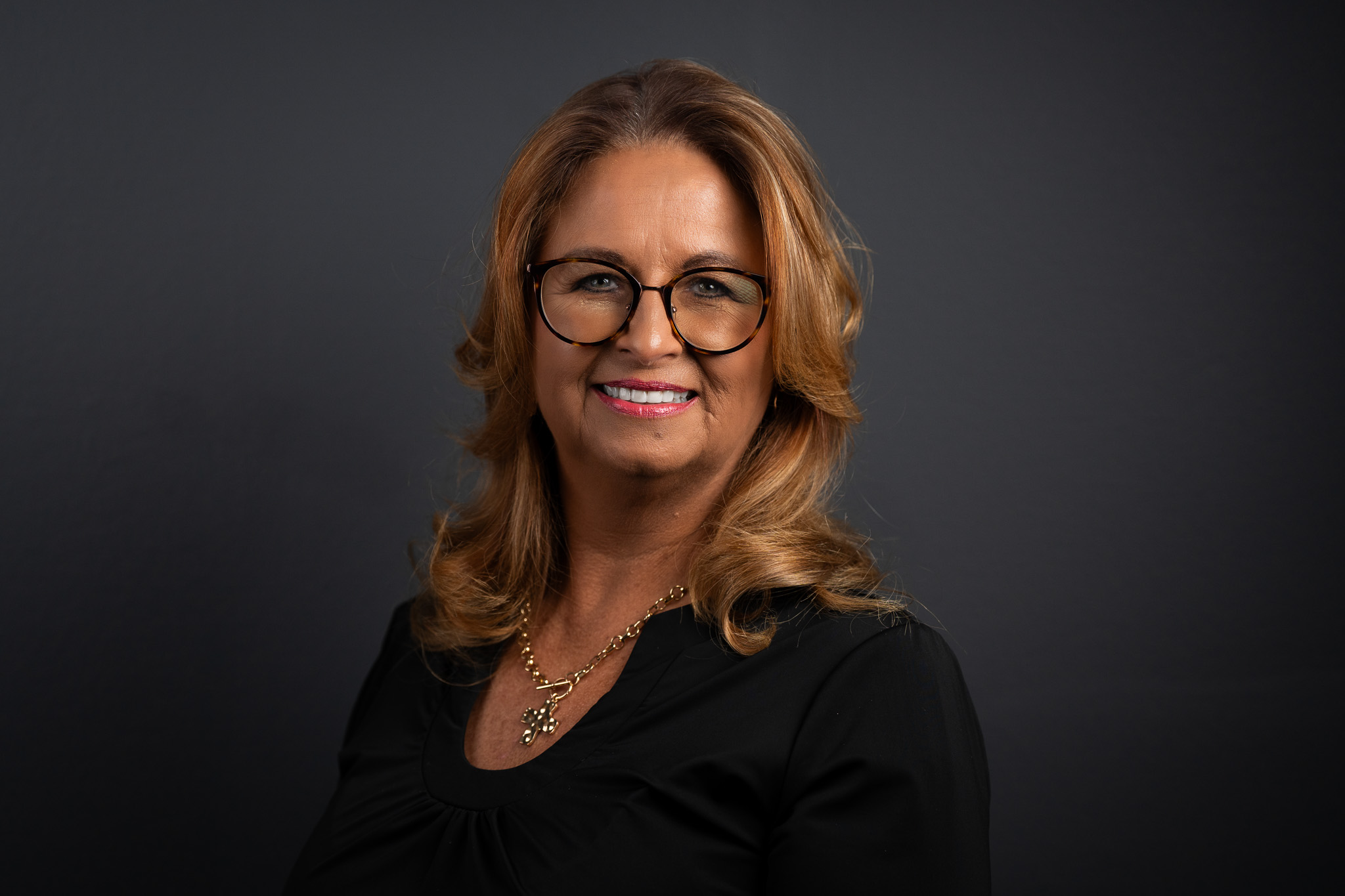
How it works
The first call is a chance to meet, ask questions, and see whether coaching feels like a good fit. You decide what comes next.
Use the shared calendar and request Harold, Roxanne, or say that you are not sure.
Tell your coach what brought you here and what you hope could feel different.
If coaching feels right, complete the intake form and agreement before sessions begin.

Virtual and in-person options
Meet online from a private place, or ask about meeting in person. In-person details are shared after your appointment is confirmed. Open Gates does not publish a home or business address online.
Join from home, work, or another private space.
Meeting details are shared privately after confirmation.
After the first call
Harold and Roxanne use one shared intake form and one client agreement. You do not need to complete either form before the complimentary consultation.
Do not send diagnoses, medical records, treatment records, or urgent concerns through the calendar or forms.
Common questions
It is normal to have questions before you book. Here are the basics.
Still have a question?
coachopengates@gmail.com
No. Open Gates provides coaching only. Coaching can help with goals, routines, accountability, decisions, and personal action. It does not diagnose or treat medical or mental health conditions.
You can explain what led you to reach out, ask questions, and get a feel for the coach's style. Then you decide whether you want to schedule another session.
No. The calendar is shared. You can request a coach or say that you are not sure. A short note about what you want help with is enough.
No. Mental Health Coaching is nonclinical support. It does not replace therapy, psychiatric care, medical care, or emergency help. Keep working with qualified healthcare professionals when needed.
Complete them after the first call, once you and your coach decide to move forward. Do not use the forms for medical records or urgent concerns.
Ready to talk?
Choose a time on the shared calendar. You can request Harold or Roxanne, or say that you are not sure who to choose.

Open Gates provides coaching, not psychotherapy, counseling, medical care, psychiatric care, or emergency services. Harold and Roxanne do not diagnose or treat medical or mental health conditions.
Keep working with qualified healthcare professionals for serious medical or mental health concerns. For immediate or emergency help, call 911 or the appropriate emergency service.


